I was halfway through a frantic Thanksgiving prep when my old roommate shouted, “If you can’t make a pumpkin cocktail, how do you even call yourself a host?” I laughed, grabbed the nearest bottle of white wine, and stared at a lonely apple on the counter. That moment of panic turned into a dare I couldn’t refuse: create a sangria that screams autumn louder than a rustling leaf pile. I tossed a cinnamon stick into the mix, added a splash of apple cider, and the kitchen instantly smelled like a cozy cabin on a crisp October evening. The result? A drink so comforting it feels like a hug in a glass.
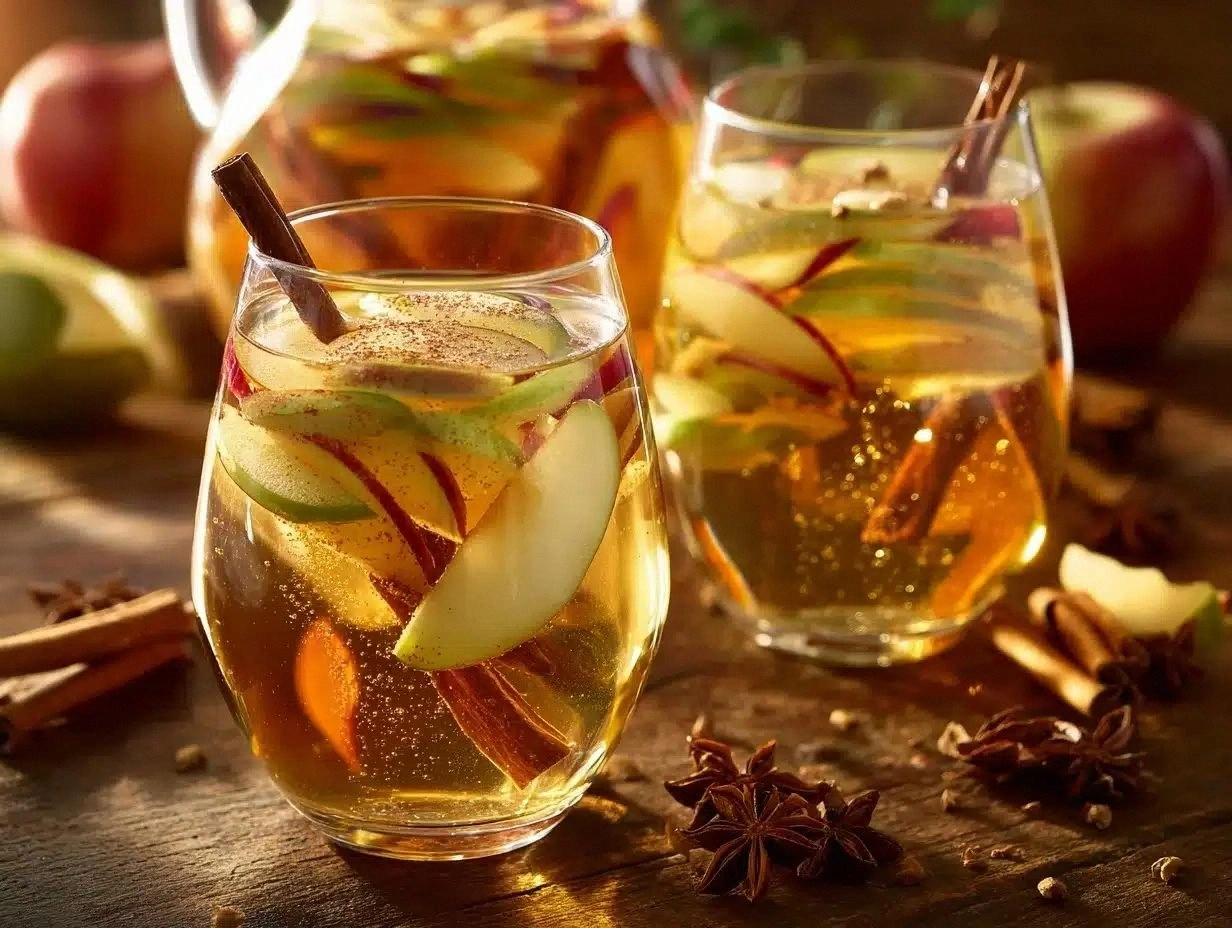
Picture this: a glass of chilled white wine meeting the caramel sweetness of fresh‑squeezed apple cider, the bright citrus pop of orange slices, and the warm, woody whisper of cinnamon. The apples, thinly sliced, float like tiny boats, soaking up the booze and releasing their natural sweetness. When you take a sip, the first thing you notice is the crisp, fruity bite that quickly mellows into a silky, spice‑laden finish that lingers on the palate like a good story you can’t stop retelling. It’s the kind of drink that makes you want to curl up with a blanket, a good book, and a plate of caramel‑drizzled shortbread.
Most sangria recipes either drown the fruit in a sea of sugar or drown the wine in too much soda, leaving you with a cloying mess that tastes like a carnival funnel cake. This version is different because it respects each ingredient’s personality. I use a dry white wine that gives a clean backbone, a splash of brandy for depth, and just enough club soda to add a lively sparkle without washing away the flavor. The secret weapon? A drizzle of maple syrup that adds a buttery, autumnal nuance you won’t find in any store‑bought mix. I dare you to taste this and not go back for seconds.
And here’s the kicker: I’ll be honest — I ate half the batch before anyone else got a chance to try it. That’s how addictive it is. The technique I’m about to reveal is a game‑changer: I let the sangria sit overnight with the cinnamon sticks, allowing the spice to infuse the wine like a slow‑cooking stew. This step is pure magic and the difference between “good” and “hands down the best version you’ll ever make at home.” Let me walk you through every single step — by the end, you’ll wonder how you ever made it any other way.
What Makes This Version Stand Out
- Taste Harmony: The dry white wine provides a crisp canvas while the apple cider adds natural sweetness, creating a balanced flavor profile that never feels over‑sweet.
- Texture Layers: Thin apple slices stay firm, orange rounds add a juicy burst, and the fizz from club soda gives a lively mouthfeel that dances on the tongue.
- Simplicity: Only eight ingredients, all of which you probably already have in your pantry, meaning you can throw this together in under an hour.
- Uniqueness: The combination of maple syrup and brandy is rarely seen in sangria, delivering a warm, buttery depth that feels custom‑crafted.
- Crowd Reaction: Guests invariably ask for the recipe, and the drink’s bright amber hue makes it Instagram‑ready without any extra garnish.
- Ingredient Quality: Using a dry, aromatic white wine lets the fruit and spices shine instead of competing with sugary undertones.
- Make‑Ahead Potential: The sangria improves after a few hours, so you can prep it the night before and simply add soda before serving.
- Seasonal Charm: Apple and cinnamon scream fall, yet the drink stays light enough for any indoor gathering, from Thanksgiving to a casual game night.
Inside the Ingredient List
The Flavor Base
The foundation of this sangria is a dry white wine such as Sauvignon Blanc, Pinot Grigio, or an unoaked Chardonnay. Choose a bottle that’s crisp and has a subtle herbaceous note; this will let the fruit and spices stand out without being masked by excess sweetness. If you accidentally grab a sweet Riesling, the drink will tip into dessert territory, and you’ll lose that refreshing edge. A good rule of thumb: the wine should taste like a light salad dressing—clean, bright, and ready to mingle.
Apple cider is the second hero, delivering that quintessential fall flavor and a gentle sweetness that pairs perfectly with the wine’s acidity. Opt for a 100% pure apple cider—no added sugars or spices—so you can control the flavor balance yourself. If you’re using a cloudy, unfiltered cider, you’ll get a richer mouthfeel that feels almost velvety.
The Fruit Ensemble
Apples are the star of the show. I recommend crisp varieties like Honeycrisp, Fuji, or Granny Smith. Their firm texture holds up during the overnight soak, preventing them from turning mushy. Slice them thin—about 1/8 inch—so they release their juices quickly while still providing a satisfying bite. Skipping the thin slice? Expect a soggy mess that looks like a wilted fruit salad.
Orange slices add a citrus brightness that cuts through the richness of the brandy and maple syrup. Use a sharp knife to cut clean rounds, removing any pith to avoid bitterness. If you love extra zing, you can zest a little orange peel into the mix before the overnight rest.
The Spice & Spirit
Cinnamon sticks are the warm, spicy backbone. I use two sticks for a batch that serves four; they infuse the liquid with a deep, woody aroma that makes you think of a crackling fireplace. Don’t skip them, or you’ll lose that comforting fall vibe. If you’re daring, add a pinch of ground nutmeg for an extra layer of complexity.
Brandy is the secret kick that gives the sangria depth and a subtle almond‑like finish. A quarter‑cup (about 60 ml) is enough to elevate the drink without overwhelming the fruit. If brandy isn’t on hand, a splash of bourbon works, but the flavor profile shifts toward a more robust, smoky note.
The Fizzy Finish
Club soda is added at the very end to preserve its effervescence. This final splash adds a refreshing sparkle that lifts the heavy autumn flavors, making the drink feel light enough for any gathering. Pour it slowly over the back of a spoon to keep the bubbles intact.
Maple syrup or honey is optional but highly recommended for those who crave a little extra sweetness. I favor pure maple syrup because its caramel undertones echo the cinnamon, creating a seamless flavor loop. If you’re allergic to honey, a drizzle of agave works just as well.
Everything's prepped? Good. Let's get into the real action…
The Method — Step by Step
Start by pouring the entire bottle of dry white wine into a large, wide‑mouth pitcher. I like a glass‑lined pitcher because it shows off the beautiful amber hue as you work. Swirl the wine gently to release its aromatics; you should notice a faint hint of green apple and a whisper of citrus. This is the moment of truth: if the wine smells flat, the whole sangria will suffer, so trust your nose.
Kitchen Hack: Before adding any liquid, chill the pitcher in the freezer for 5 minutes. The cold surface helps keep the wine at the perfect sipping temperature longer.Add the apple cider to the wine, then stir in the maple syrup (or honey) and brandy. Watch the syrup dissolve, creating a glossy ribbon that swirls through the mixture like caramel in a latte. At this point, the liquid should smell like a fall orchard after a light rain—sweet, crisp, and slightly woody.
Now toss in the thin apple slices and orange rounds. Use a gentle hand; you want the fruit to be evenly distributed, not clumped at the bottom. The fruit will begin to release its juices within minutes, turning the liquid a richer, more saturated amber.
Drop the cinnamon sticks into the pitcher, then give everything a slow, clockwise stir. This is where the magic really starts. The cinnamon will start to unfurl its aromatic oils, and you’ll notice a warm, spicy perfume rising from the mixture—like a cozy blanket being pulled over a chilly night.
Watch Out: If you leave the cinnamon sticks in for more than 12 hours, the flavor can become overpoweringly bitter. Set a timer!Cover the pitcher with plastic wrap and refrigerate for at least 4 hours, preferably overnight. This resting period lets the flavors meld, much like a stew that improves the next day. The longer it sits, the deeper the cinnamon and fruit notes become. If you’re impatient, give it a quick 30‑minute chill, but the final result won’t be as layered.
Just before serving, gently stir the mixture again and taste. This is the moment to decide if you need a splash more maple syrup or a pinch of extra cinnamon. Remember, the drink should taste balanced: bright from the wine, sweet from the cider, and warm from the spice.
Add the club soda slowly, pouring it over the back of a spoon to preserve the bubbles. You’ll hear a faint fizz that signals the final lift. The soda should make the sangria look slightly frothy at the surface, like a gentle wave.
Kitchen Hack: Keep the club soda bottle in the freezer for 15 minutes; the extra coldness helps maintain carbonation when you pour.Serve the sangria in clear glasses, ensuring each pour includes a few apple slices, an orange wheel, and a cinnamon stick for visual drama. Garnish with a fresh sprig of rosemary if you want an extra aromatic punch. The drink should be chilled but not icy—think “just right” like a perfectly timed sunset.
Enjoy! Take a moment to savor the aroma before you sip. That first breath should hit you with a blend of crisp wine, sweet apple, and warm spice, followed by a refreshing fizz that dances across your tongue. That’s the payoff for all the careful steps you just followed.
That's it — you did it. But hold on, I've got a few more tricks that'll take this to another level...
Insider Tricks for Flawless Results
The Temperature Rule Nobody Follows
Never serve this sangria straight from the freezer. The ideal serving temperature is between 45°F and 50°F. Too cold and the flavors mute; too warm and the alcohol becomes front‑and‑center, drowning the subtle fruit notes. To achieve the perfect chill, place the pitcher in the fridge for 30 minutes, then move it to a cooler with ice for the final 10 minutes before serving. A quick temperature check with a kitchen thermometer can save you from a lukewarm disappointment.
Why Your Nose Knows Best
Your sense of smell is the ultimate gauge for readiness. When the cinnamon has fully infused, you’ll detect a warm, almost nutty aroma that mingles with the crisp wine. If the scent still smells like raw fruit, give it another hour. Trusting your nose is more reliable than a timer because the infusion speed can vary with the exact cinnamon stick size.
The 5‑Minute Rest That Changes Everything
After you add the club soda, let the sangria sit for exactly five minutes before pouring. This short rest allows the bubbles to settle just enough that they don’t foam over, while still delivering that lively sparkle. I once poured immediately and ended up with a frothy mess that spilled onto the counter—lesson learned.
Fruit Placement Precision
When you add fruit, don’t just dump it in. Arrange the apple slices and orange wheels in a circular pattern around the rim of the pitcher. This not only looks gorgeous but also ensures each glass gets a balanced bite of fruit. A friend once tossed the fruit in haphazardly and ended up with glasses that were either fruit‑free or overloaded with mushy apple.
The “Maple‑First” Sweetening Trick
If you decide to use maple syrup, dissolve it in a tiny splash of warm water before adding it to the pitcher. This prevents the syrup from clumping and ensures an even distribution of sweetness. It also helps the maple’s caramel notes integrate more smoothly with the wine’s acidity.
Creative Twists and Variations
This recipe is a playground. Here are some of my favorite ways to switch things up:
Spiced Pear & Ginger
Swap the apples for ripe Bartlett pears and add a few thin slices of fresh ginger. The pear adds a buttery sweetness while ginger injects a subtle heat that pairs beautifully with cinnamon. Ideal for a Thanksgiving brunch where you want a touch of zing.
Cranberry‑Cinnamon Sparkler
Add a half‑cup of fresh cranberries and a splash of cranberry juice. The tartness cuts through the sweetness, and the deep red color creates a stunning visual contrast against the amber base. Perfect for a holiday party where you want a festive hue.
Tropical Twist
Replace the apple cider with pineapple juice, use a light rum instead of brandy, and add a few mango cubes. The result is a bright, island‑inspired sangria that still carries the warmth of cinnamon—great for a post‑summer get‑together.
Vanilla‑Infused Elegance
Drop a vanilla bean (split lengthwise) into the pitcher along with the cinnamon sticks. The vanilla adds a smooth, creamy undertone that elevates the drink to a dessert‑like experience. Pair it with a chocolate fondue for a decadent night.
Herbal Garden
Add a handful of fresh rosemary sprigs and a few thyme leaves. The herbs introduce an earthy, piney note that complements the apple and cinnamon, making the sangria feel like a walk through an autumn forest. Use sparingly; you don’t want the herbs to dominate.
Storing and Bringing It Back to Life
Fridge Storage
Transfer any leftover sangria into a glass jar with a tight‑fitting lid. Keep it in the refrigerator for up to three days. Before serving again, give it a gentle stir and add a fresh splash of club soda to revive the fizz. The flavors actually deepen, so the second day can be even more aromatic.
Freezer Friendly
If you’ve made a large batch, you can freeze the sangria (minus the club soda) in freezer‑safe containers for up to two months. Thaw it in the refrigerator overnight, then re‑introduce the soda right before serving. This method preserves the fruit’s texture and prevents ice crystals from diluting the flavor.
Best Reheating Method
Should you ever need to warm the sangria (perhaps for a cozy indoor fire pit), do it gently on the stovetop over low heat. Add a tiny splash of water—just enough to create steam—so the alcohol doesn’t evaporate too quickly. Heat until it’s just warm to the touch, then let it cool, add soda, and serve over ice for a refreshing contrast.