Picture this: a midnight kitchen, the oven timer beeping, and a half‑baked acorn squash staring back at me like a silent judge. I had promised myself a quick, comforting dinner after a long week, but the squash was still raw, its sweet flesh stubbornly refusing to surrender. In that moment I felt the familiar pang of culinary defeat—until an old recipe book slid open and whispered, “Try this.” The idea of stuffing the squash with wild rice and a burst of savory aromatics instantly lifted the gloom. That night, the kitchen became my laboratory, and I was determined to turn a potential disaster into a triumph.
From the moment I sliced the squash, a warm, nutty aroma filled the air, like toasted chestnuts on a crisp autumn walk. The rind, when it cracked open, revealed a golden, honeyed interior that glistened under the kitchen lights. The sizzle of onions and celery in olive oil sounded like a soft jazz rhythm, coaxing the flavors to mingle. I could taste the faint sweetness of the squash even before cooking, promising a gentle counterpoint to the earthy wild rice. The texture of the squash, tender yet firm, was a promise of a satisfying bite that would linger on the palate.
This version isn't just a recipe; it's a narrative of flavor that unfolds like a well‑written novel. The combination of wild rice and maple syrup creates a subtle sweetness that balances the savory herbs, a harmony rarely achieved in standard stuffed squash dishes. The pecans add a crunchy, buttery contrast that breaks the monotony of soft squash, while the dried cranberries introduce a tart pop that awakens the senses. Feta cheese, crumbled at the end, adds a creamy tang that ties all elements together, turning each bite into a complex, layered experience. If you've ever settled for a bland, one‑dimensional stuffing, this dish will rewrite your expectations forever.
One secret that elevates this recipe is the use of a quick par‑roasting step for the squash halves, which locks in moisture and caramelizes the outer skin for a buttery finish. Another unexpected twist is the addition of maple syrup, which caramelizes during baking and creates a glossy glaze that coats the squash like velvet. The final flourish—crumbling feta just before serving—adds a creamy, salty burst that lifts the dish into gourmet territory. I dare you to taste this and not go back for seconds; the combination of textures and flavors will keep you craving more. Trust me, this is hands down the best version you'll ever make at home.
Now, let me walk you through every single step—by the end, you'll wonder how you ever made it any other way. We'll start by prepping the squash, then move to the aromatic base, followed by the rice mixture, and finally the assembly and baking. Along the way, I'll share micro‑challenges and bold claims to keep you engaged and excited. If you've ever struggled with stuffing squash, you're not alone—and I've got the fix. Let's dive in, and prepare to elevate your comfort‑food game to new heights.
What Makes This Version Stand Out
- Flavor Depth: The marriage of sweet maple syrup and savory herbs creates a symphony that dances on the tongue. Each bite transitions from caramelized squash to earthy wild rice, then to the tang of feta, keeping the palate intrigued. This layered approach turns a simple side dish into a showstopper.
- Texture Contrast: Crunchy pecans meet silky squash, while the chewy wild rice adds a satisfying bite. The contrast keeps the dish from feeling cloyingly sweet or overly soft. It’s the kind of textural play that makes every mouthful memorable.
- Ingredient Quality: Using fresh, locally sourced squash and organic wild rice elevates the entire experience. High‑quality feta brings a creamy richness that balances the dish. The attention to ingredient provenance translates directly into flavor.
- Simplicity of Prep: Despite the gourmet results, the prep remains approachable. A single pan sauté, a quick par‑roast, and a 30‑minute bake keep the process efficient. You’ll finish cooking before your guests even notice you’re in the kitchen.
- Crowd Appeal: This stuffing is a crowd‑pleaser at family gatherings or dinner parties. Its bright color, sweet aroma, and savory finish make it a conversation starter. Even the most skeptical eaters will find themselves reaching for seconds.
- Make‑Ahead Potential: Stuff the squash and refrigerate or freeze before baking. The flavors intensify as they meld overnight, giving you a stress‑free dinner plan. When you’re ready, a quick bake brings the dish to life.
Alright, let's break down exactly what goes into this masterpiece...
Inside the Ingredient List
The Flavor Base
The onion, when diced and sautéed, releases a natural sweetness that becomes the flavor foundation of the dish. Adding celery and garlic amplifies this base with subtle bitterness and aromatic depth. Olive oil not only prevents sticking but also carries the herbs—thyme and sage—into every bite. Skipping the aromatics would result in a flat, unremarkable stuffing that lacks the complex undertones you’re craving.
When selecting onions, look for firm, unblemished bulbs that feel heavy for their size. A yellow or white onion offers a mild, sweet flavor, while a red onion adds a hint of sharpness. If you’re short on time, pre‑chopped onions from the grocery store can save you minutes without compromising quality. The same principle applies to celery; fresh stalks provide a bright crunch, whereas frozen celery can soften the texture.
The Texture Crew
The acorn squash’s golden flesh is naturally sweet and buttery, making it an ideal vessel for stuffing. Its dense yet tender flesh holds the rice mixture without falling apart during baking. Choosing a squash that’s slightly heavier than its size indicates a richer, more flavorful interior. If you prefer a sweeter squash, opt for one with a darker orange hue; lighter squash tends to be milder.
Wild rice is the star of the texture crew, offering a chewy bite that contrasts beautifully with the squash’s softness. Its nutty flavor adds depth, while its ability to absorb liquids keeps the stuffing moist. If you can’t find wild rice, substitute with brown rice or quinoa, though the chew and flavor profile will shift slightly. Remember to rinse wild rice thoroughly to remove its natural bitterness.
The Unexpected Star
Maple syrup, in modest amounts, caramelizes during baking, creating a glossy glaze that coats the squash like velvet. It also balances the earthy herbs with a subtle sweetness that keeps the dish from feeling too heavy. Pecans introduce a buttery crunch that breaks the monotony of the soft interior, while dried cranberries add a tart pop that awakens the palate. Skipping any of these elements would diminish the dish’s dynamic flavor profile.
When purchasing pecans, look for a dark, glossy shell; this indicates freshness and a richer taste. For cranberries, dried varieties should be free of added sugars to preserve their tartness. If you’re allergic to nuts, substitute with sunflower seeds or toasted pumpkin seeds for a similar crunch. The maple syrup can be replaced with honey or agave nectar, though the caramelization will differ slightly.
The Final Flourish
Feta cheese, crumbled just before serving, adds a creamy, salty burst that ties all elements together. Its tangy profile contrasts with the sweet maple glaze, creating a harmonious balance. The cheese also melts slightly during baking, creating a velvety texture that coats the stuffing. Without feta, the dish would feel lighter but would lose that luxurious finish.
When choosing feta, look for a firm, crumbly variety that holds its shape when heated. A Greek feta will provide a briny flavor, while a white feta offers a milder taste. If you prefer a dairy‑free option, try crumbled goat cheese or a vegan feta alternative. The key is to add it at the very end to preserve its texture and flavor.
Everything's prepped? Good. Let's get into the real action...
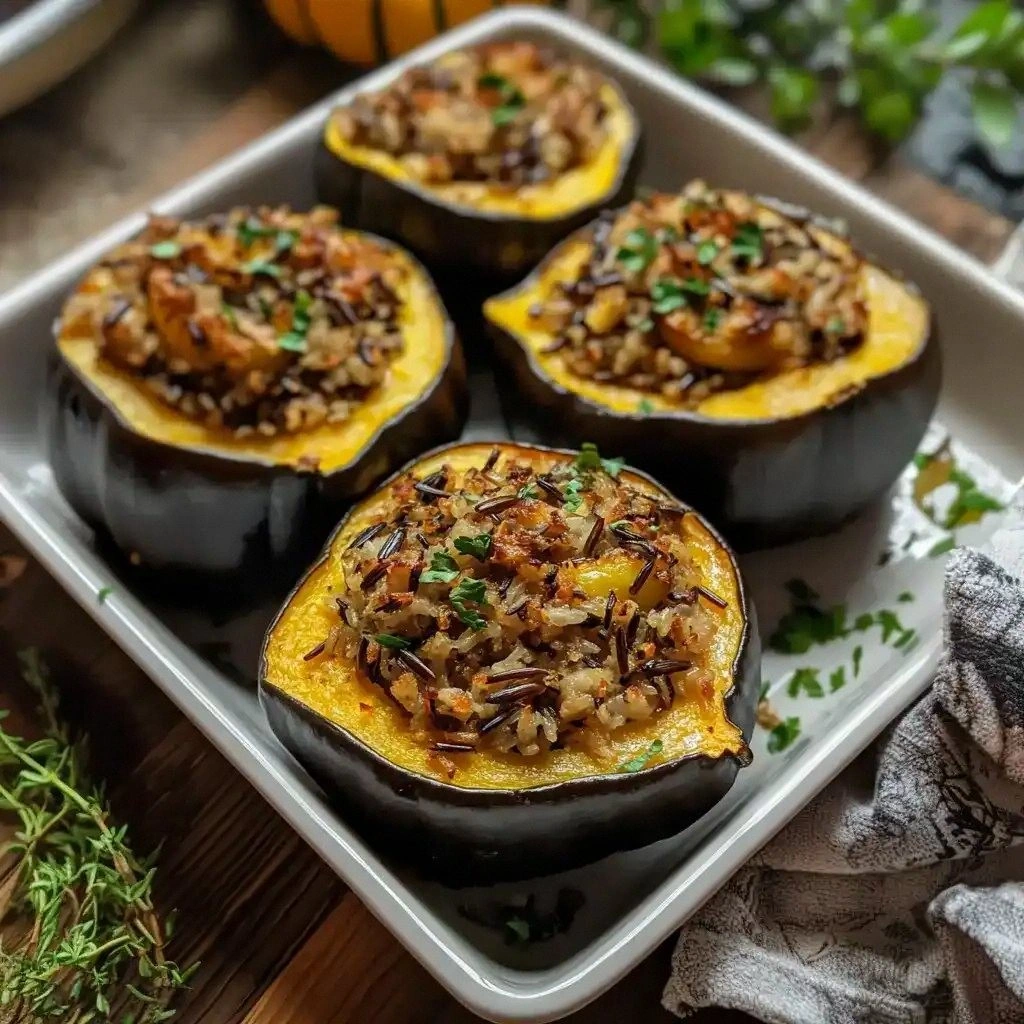
The Method — Step by Step
- Preheat your oven to 375°F (190°C). Slice the acorn squash in half lengthwise, then remove the seeds with a spoon. Gently brush the cut sides with olive oil and season with salt and pepper. Place the halves cut side down on a baking sheet lined with parchment paper. Roast for 20 minutes, or until the flesh is tender and the edges begin to caramelize, creating a buttery finish that sets the stage for the stuffing.
- While the squash roasts, rinse the wild rice under cold water until the water runs clear. In a medium saucepan, combine the rinsed rice with 3 cups of water or vegetable broth. Bring the mixture to a gentle boil, then reduce the heat to low, cover, and simmer for 30 minutes, or until the grains are tender and the liquid is absorbed. Fluff the rice with a fork to separate the grains, allowing the stuffing to maintain a light, airy texture.
- In a large skillet, heat 1 tablespoon of olive oil over medium heat. Add the diced onion, celery, and minced garlic, sautéing until the vegetables soften and the onion turns translucent, releasing a fragrant aroma that signals the base is ready. Stir in 1 teaspoon of dried thyme and 1 teaspoon of dried sage, letting the herbs bloom and infuse the oil with their earthy scents. Remove the skillet from the heat to prevent the herbs from becoming bitter.
- Fold the cooked wild rice into the skillet, mixing thoroughly so that the grains are evenly coated with the aromatic vegetable mixture. Add ½ cup of chopped pecans, ¼ cup of dried cranberries, 2 tablespoons of maple syrup, and a pinch of salt and pepper to taste. Stir gently, ensuring the pecans remain crunchy and the cranberries stay intact. This blend creates a symphony of sweet, salty, and nutty flavors that will elevate the stuffing beyond ordinary.
- Using a spoon, fill each roasted squash half with the rice mixture, packing it firmly but not overstuffing, as the squash will expand slightly during the final bake. Spread the stuffed squash halves back onto the baking sheet, ensuring they remain upright. Drizzle a light mist of olive oil over the top to help the glaze form during baking. This step locks in moisture and encourages a caramelized finish.
- Return the baking sheet to the oven and bake for an additional 15 minutes, or until the tops of the squash are golden and the stuffing is heated through. The maple glaze should have caramelized into a glossy sheen, coating the squash like velvet. As the oven timer clicks, the aroma will fill the kitchen, promising a feast for both the eyes and the nose.
- Remove the stuffed squash from the oven and let it rest for 5 minutes to allow the flavors to settle. Sprinkle the crumbled feta cheese over the tops while the dish is still warm; the cheese will slightly melt, creating a creamy, tangy layer. If you prefer a sharper cheese, consider adding a sprinkle of parmesan or blue cheese for a different flavor profile. This final touch adds a luxurious finish that elevates the dish.
- Serve the stuffed squash immediately, accompanied by a light green salad or a side of roasted root vegetables. Garnish with fresh herbs if desired, and enjoy the harmonious blend of sweet, savory, and crunchy textures. This dish is a testament to how simple ingredients, when orchestrated thoughtfully, can produce extraordinary results.
That's it — you did it. But hold on, I've got a few more tricks that'll take this to another level...
Insider Tricks for Flawless Results
The Temperature Rule Nobody Follows
Many cooks bake stuffed squash at a high heat, but the sweet interior needs gentle warmth to caramelize without drying out. Baking at 375°F (190°C) allows the squash to steam in its own moisture while the edges crisp up just enough. I’ve seen dishes that burn on the outside while the inside remains raw; this temperature keeps everything balanced.
Why Your Nose Knows Best
Before you pull the stuffed squash out of the oven, pause and inhale deeply. The aroma of caramelized maple and roasted herbs is a clear sign that the glaze has set and the flavors have melded. If the smell is more of a raw rice note, give it a few more minutes.
The 5‑Minute Rest That Changes Everything
Letting the stuffed squash rest for exactly five minutes after baking allows the steam to redistribute, making the stuffing fluffier. During this brief pause, the feta continues to melt, creating a creamy coating that’s impossible to resist. Skipping this step can leave the dish feeling dry.
Keep the Squash Skin Intact
When slicing the squash, aim for a uniform thickness to ensure even cooking. If the skin tears, the stuffing can leak, resulting in a messy bake. Use a sharp chef’s knife and a steady hand to keep the halves whole.
Use Fresh Herbs for a Bright Finish
Fresh thyme and sage bring a bright, aromatic punch that dried herbs can’t match. If you’re using dried herbs, double the amount to compensate for the loss of flavor. This tweak ensures the stuffing stays fragrant and vibrant.
Creative Twists and Variations
This recipe is a playground. Here are some of my favorite ways to switch things up:
Spicy Southwest
Swap the wild rice for black beans and corn, then add a dash of cumin and smoked paprika. Top with sliced avocado and a squeeze of lime for a fresh, zesty finish. This version is perfect for those who love a little heat and a lot of texture.
Italian Delight
Replace the maple syrup with a drizzle of balsamic glaze and swap feta for shaved parmesan. Add sun‑dried tomatoes and fresh basil to the stuffing for an Italian twist. The result is a savory, slightly sweet dish that feels like a hearty pasta bake.
Vegan Version
Omit the feta and replace it with crumbled vegan cheese or a sprinkle of nutritional yeast. Use coconut oil instead of olive oil for a subtle tropical note. This adaptation keeps the dish plant‑based without sacrificing flavor.
Breakfast Brunch
Fill the squash with scrambled eggs, chives, and diced ham, then bake until the eggs are set. Top with a spoonful of hollandaise or a sprinkle of cheddar for a brunch‑worthy dish. It’s a comforting, protein‑rich start to the day.
Smoky BBQ
Infuse the rice mixture with a tablespoon of smoky chipotle sauce and add shredded smoked turkey. Finish with a drizzle of honey and a sprinkle of chopped cilantro for a sweet‑smoky flavor profile that’s irresistible.
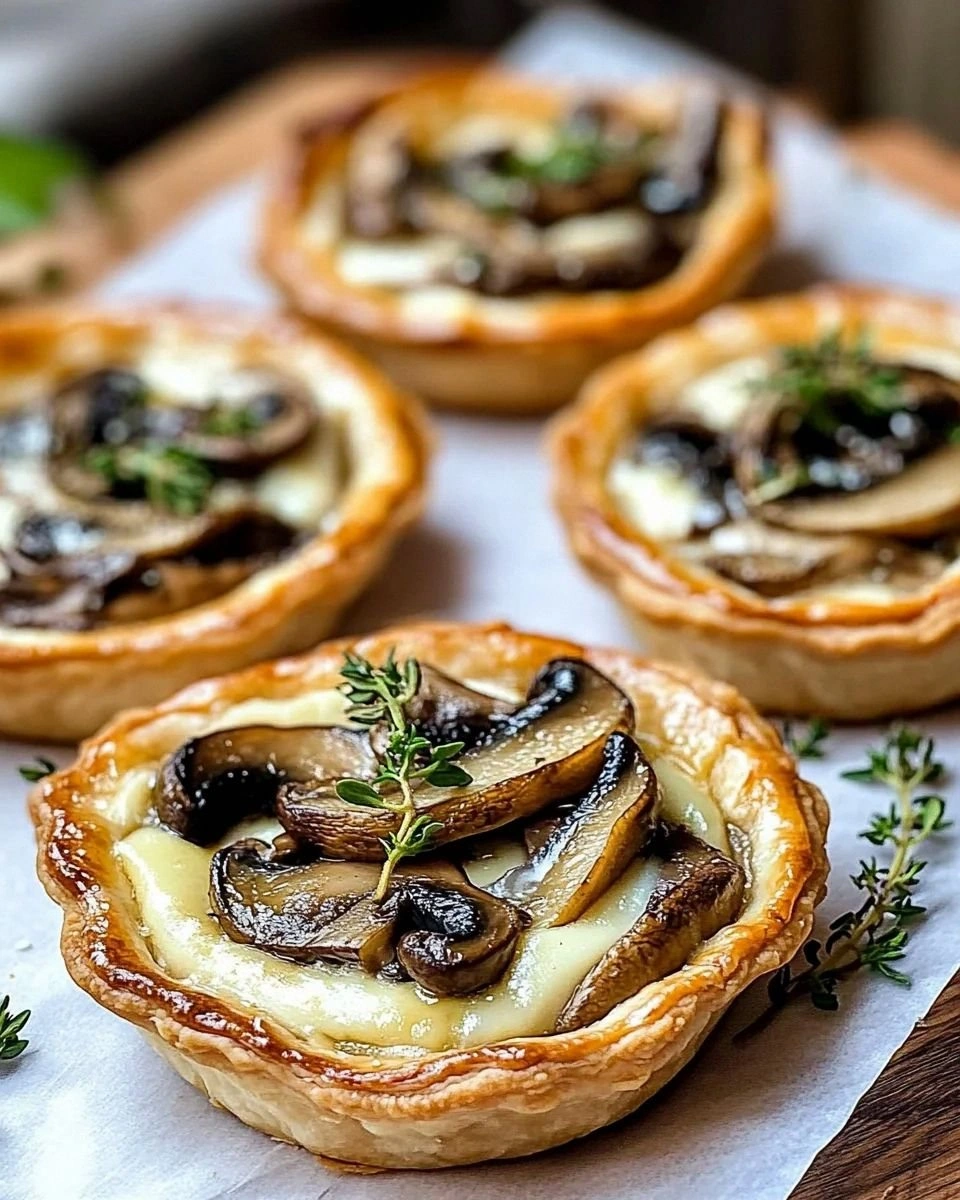
Gourmet Mushroom
Replace the wild rice with sautéed wild mushrooms and add a splash of white wine to the skillet. Finish with a dollop of truffle oil and a sprinkle of fresh thyme. The earthy depth of mushrooms pairs beautifully with the sweet squash.
Storing and Bringing It Back to Life
Fridge Storage
Store the stuffed squash in an airtight container for up to 3 days. Keep the feta separate until ready to serve, as it can become soft in the fridge. When you’re ready to eat, reheat in the oven at 350°F (175°C) for 10 minutes, or until warmed through.
Freezer Friendly
After stuffing, place the squash halves in a freezer‑safe bag and freeze for up to 2 months. Thaw overnight in the refrigerator before reheating. This method preserves the texture and flavor, making it a convenient meal prep option.
Best Reheating Method
Reheat in the oven at 350°F (175°C) for 12–15 minutes, or until the center is hot. Add a splash of water or broth before reheating to create steam, which keeps the squash moist and prevents drying out. A quick 1‑minute broil at the end can restore a crisp, caramelized edge.