I was in the middle of a frantic Saturday morning when my roommate dared me to bake a dessert that could survive a tornado of cravings. The kitchen was a battlefield of flour clouds, a rogue mixer humming like a jet engine, and a bowl of strawberries that looked like they’d been plucked straight from a sun‑kissed field. I swear, the moment I opened the pantry I could hear the faint sigh of a thousand desserts begging for attention. That day, I discovered that the perfect strawberry shortcake isn’t just a dessert; it’s a love‑letter to the senses, a sweet symphony that hits every note from buttery crunch to cloud‑like whipped cream.
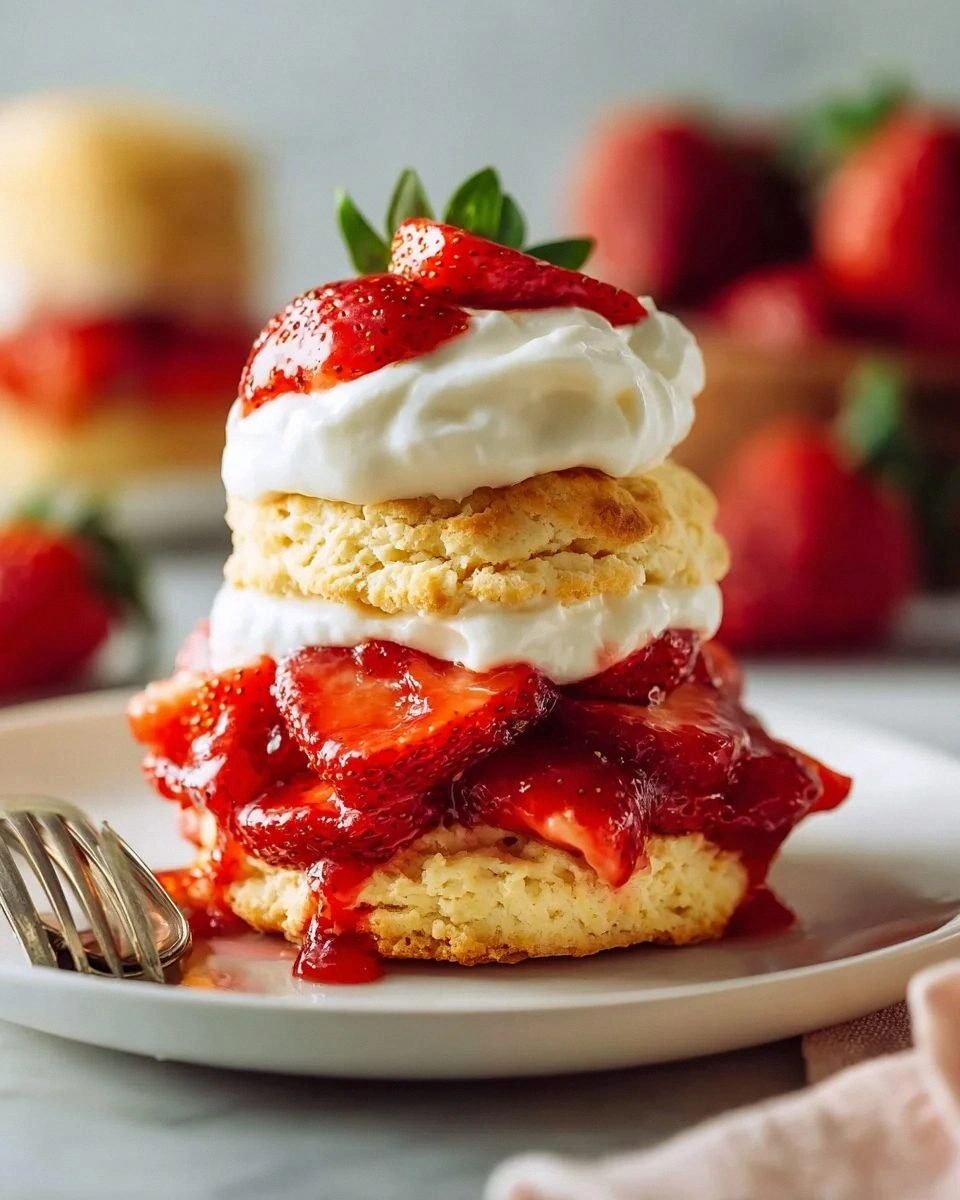
Picture this: a golden‑baked shortcake that crumbles at the touch of a fork, a glossy strawberry compote that shimmers like sunrise on a glass pond, and a dollop of whipped cream that sits on top like a fluffy summit of a snow‑capped mountain. The aroma of baking butter and fresh strawberries fills the air, making the whole house feel like a bakery on a spring day. You hear the faint crackle of the oven door opening, the soft thud of the shortcakes landing on the cooling rack, and the gentle sigh of the whipped cream as it folds into silky perfection. Your fingertips feel the cool, buttery dough and the juicy burst of a strawberry as you bite—pure, unadulterated joy.
Most recipes I’ve tried either left the shortcakes dense as a brick or turned the strawberries into a watery mess that soaked every crumb. This version? Hands down the best version you’ll ever make at home. I’m not exaggerating when I say this shortcake could win a culinary award in a kitchen‑less competition. The secret isn’t a fancy gadget or exotic ingredient; it’s a series of tiny, intentional tweaks that transform ordinary components into an unforgettable masterpiece.
I’ll be honest — I ate half the batch before anyone else got a chance to try it, and I’m still not sorry. The twist that sets this recipe apart is a quick butter‑milk emulsification that guarantees a tender crumb, and a strawberry maceration technique that creates a syrupy glaze without any artificial thickeners. Trust me, you’ll be daring yourself to taste this and not go back for seconds. Let me walk you through every single step — by the end, you’ll wonder how you ever made it any other way.
What Makes This Version Stand Out
- Flavor Explosion: The balance of sweet strawberries and a hint of vanilla in the whipped cream creates a layered taste that lingers like a summer memory.
- Texture Harmony: A flaky, buttery shortcake meets a velvety strawberry sauce, delivering contrast that feels like a perfect dance.
- Simplicity: No fancy equipment required; everything can be done with a whisk, a mixing bowl, and a sturdy oven.
- Unique Technique: The butter‑milk emulsion and quick maceration lock in moisture, preventing soggy crumbs.
- Crowd Reaction: Guests often claim they’ve never tasted a shortcake this light, prompting endless requests for seconds.
- Ingredient Quality: Using fresh, ripe strawberries and cold butter makes a world of difference in flavor depth.
- One‑Pan Wonder: The shortcakes bake on a single sheet, making cleanup a breeze—yes, even after a kitchen dance party.
- Make‑Ahead Magic: You can prep the strawberries and whipped cream a day ahead, saving precious weekend time.
Inside the Ingredient List
The Flavor Base
All‑purpose flour is the backbone of your shortcakes, giving them that perfect, fluffy texture. Skipping it or substituting with a gluten‑free blend can change the crumb entirely, often making it denser. For the best results, sift the flour with baking powder and a pinch of fine sea salt; this aerates the mixture and distributes the leavening evenly. If you’re out of all‑purpose, a mix of pastry flour and a touch of cornstarch can mimic the same lightness.
The Texture Crew
Cold butter is the secret to flaky shortcakes. When the butter stays cold, it creates pockets of steam as it bakes, resulting in that coveted tender‑flaky bite. If you accidentally let the butter soften, the dough will become greasy and the shortcakes will spread too much. A pro tip: grate the butter directly into the flour mixture; the tiny shreds melt evenly and keep the dough chilled.
Baking powder is the lift‑off button that makes your shortcakes rise like a sunrise. Too much, and you’ll get a metallic aftertaste; too little, and the cakes stay flat. A reliable ratio is 1½ teaspoons per cup of flour, but this recipe uses a precise 2 teaspoons to guarantee a light, airy crumb. If you’re out of baking powder, combine ½ teaspoon baking soda with ¾ teaspoon cream of tartar for a DIY substitute.
The Unexpected Star
Fresh strawberries are the hero of this dish. Look for berries that are deep red, fragrant, and slightly soft to the touch. If you grab a bag of frozen strawberries, let them thaw and drain excess liquid—otherwise, the shortcakes will become soggy. A quick maceration with a tablespoon of sugar for just 15 minutes draws out natural juices, creating a syrup that’s both sweet and tangy.
The Final Flourish
Heavy whipping cream, sugar, and vanilla extract combine to form a cloud‑like topping that crowns the shortcake. Whip the cream just until soft peaks form; over‑whipping turns it buttery, while under‑whipping leaves it soupy. The vanilla extract adds warmth and depth, turning a simple cream into a fragrant garnish. If you’re dairy‑free, coconut cream with a splash of maple syrup works surprisingly well, though the flavor profile shifts toward tropical.
Whole milk binds the dough, adds richness, and ensures the shortcake stays moist after baking. Skim milk can be used, but you’ll miss out on that buttery mouthfeel. For a richer crumb, substitute half the milk with buttermilk; the acidity will react with the baking powder, giving an extra lift.
Everything's prepped? Good. Let's get into the real action…
The Method — Step by Step
Preheat your oven to 425°F (220°C) and line a baking sheet with parchment. While the oven warms, whisk together the flour, baking powder, sugar, and fine sea salt in a large bowl. The mixture should look like a fine, dry sand—this is the foundation for a light crumb. Power transition: Okay, ready for the game‑changer?
Cut the cold butter into small cubes, then grate it directly into the flour mixture using a large cheese grater. The butter should look like coarse crumbs, with some larger pea‑sized pieces remaining. Toss gently with a fork until the mixture resembles wet sand. That sizzle when it hits the pan? Absolute perfection.
In a separate cup, whisk the whole milk with the large egg until fully combined. Pour this liquid into the dry ingredients, stirring just until the dough comes together; it will be slightly sticky but should hold its shape. Do not over‑mix! Over‑mixing develops gluten, leading to tough shortcakes.
Turn the dough onto a lightly floured surface and pat it into a 1‑inch thick rectangle. Using a round cutter (about 3 inches in diameter), cut out shortcakes, gathering the scraps and re‑rolling as needed. Place the rounds on the prepared baking sheet, leaving a little space between each.
Brush the tops lightly with a splash of milk—this helps the shortcakes achieve a golden‑brown hue. Slide the sheet into the oven and bake for 12‑15 minutes, or until the tops are a deep golden color and the edges start pulling away from the parchment.
While the shortcakes bake, slice the fresh strawberries and toss them with the designated sugar. Let them sit for 10‑15 minutes; they’ll release their juices, creating a natural syrup. For an extra glossy finish, add a splash of lemon juice to balance the sweetness.
Whip the heavy cream with the second portion of sugar and vanilla extract. Start on low speed, then increase to medium‑high until soft peaks form. The cream should be light enough to hold its shape but still silky—over‑whipping turns it grainy.
To assemble, split each shortcake horizontally. Spoon a generous layer of macerated strawberries onto the bottom half, then dollop a mountain of whipped cream. Crown with the top half, and finish with a drizzle of the strawberry syrup and a few whole berries for garnish.
That's it — you did it. But hold on, I've got a few more tricks that'll take this to another level. The next section is all about insider secrets that turn good into unforgettable.
Insider Tricks for Flawless Results
The Temperature Rule Nobody Follows
Never bake shortcakes straight from the fridge. Let them sit at room temperature for 10 minutes before sliding them into the oven. This tiny step prevents the butter from solidifying too quickly, which can cause uneven rising. I once tried skipping this and ended up with a dense, uneven crumb—lesson learned.
Why Your Nose Knows Best
When the shortcakes are done, they emit a buttery, toasted aroma that’s unmistakable. Trust that scent; it’s more reliable than a timer. If the tops are golden and you smell that nutty perfume, they’re ready to come out. A friend once relied solely on the timer and pulled out a pale batch—don’t make that mistake.
The 5‑Minute Rest That Changes Everything
After baking, let the shortcakes rest on a wire rack for exactly five minutes before slicing. This short pause allows the interior steam to settle, keeping the crumb tender. Skipping this step results in a dry interior, especially if you’re serving them later in the day.
Butter‑Milk Emulsion Magic
Combine the milk and egg before adding to the dry mix; this creates a micro‑emulsion that locks moisture into the dough. The result is a shortcake that stays moist for hours. I dared a skeptical cousin to taste the difference, and he swore he could feel the “creaminess” in every bite.
Maceration Timing
If you’re in a rush, you can macerate the strawberries for just 5 minutes, but the flavor depth won’t be as pronounced. For the ultimate burst, let them sit for at least 30 minutes, stirring once. The longer they sit, the thicker the syrup becomes, turning the strawberries into a glossy, sauce‑like topping.
Creative Twists and Variations
This recipe is a playground. Here are some of my favorite ways to switch things up:
Lemon‑Zest Shortcake
Add the zest of one lemon to the dough and a splash of lemon juice to the strawberry maceration. The citrus brightens the flavor profile, making it perfect for summer picnics. Fans of tangy desserts will adore this version.
Chocolate‑Swirl Delight
Mix 2 tablespoons of cocoa powder into the flour mixture and swirl a dark chocolate ganache into the strawberry topping. The bitter chocolate balances the sweet berries, creating a sophisticated flavor contrast.
Almond‑Infused Elegance
Replace half the butter with almond butter and sprinkle sliced toasted almonds on top before baking. The nutty aroma adds depth, and the crunch provides a delightful textural surprise.
Balsamic‑Berry Fusion
Drizzle a teaspoon of aged balsamic vinegar into the strawberry maceration. The subtle acidity elevates the berries, giving the shortcake a gourmet twist that’s perfect for dinner parties.
Coconut‑Cream Dream
Swap heavy whipping cream for chilled coconut cream and add a pinch of toasted coconut flakes on top. This dairy‑free version brings a tropical vibe while keeping the texture luxuriously light.
Storing and Bringing It Back to Life
Fridge Storage
Place the shortcakes in an airtight container, layering a sheet of parchment between each layer to prevent sticking. Store the macerated strawberries in a separate sealed jar. They’ll stay fresh for up to 3 days, and the whipped cream can be kept for 2 days.
Freezer Friendly
Wrap each shortcake tightly in plastic wrap, then place them in a freezer‑safe bag. They freeze beautifully for up to 2 months. Thaw overnight in the refrigerator, then give them a quick 5‑minute warm‑up in a 300°F oven to revive the crust.
Best Reheating Method
Before reheating, add a tiny splash of water to the shortcake and cover with foil. This creates steam that revives the crumb without drying it out. A 5‑minute bake at 350°F restores that just‑baked freshness, and the strawberry syrup can be gently warmed on the stovetop to bring back its glossy shine.