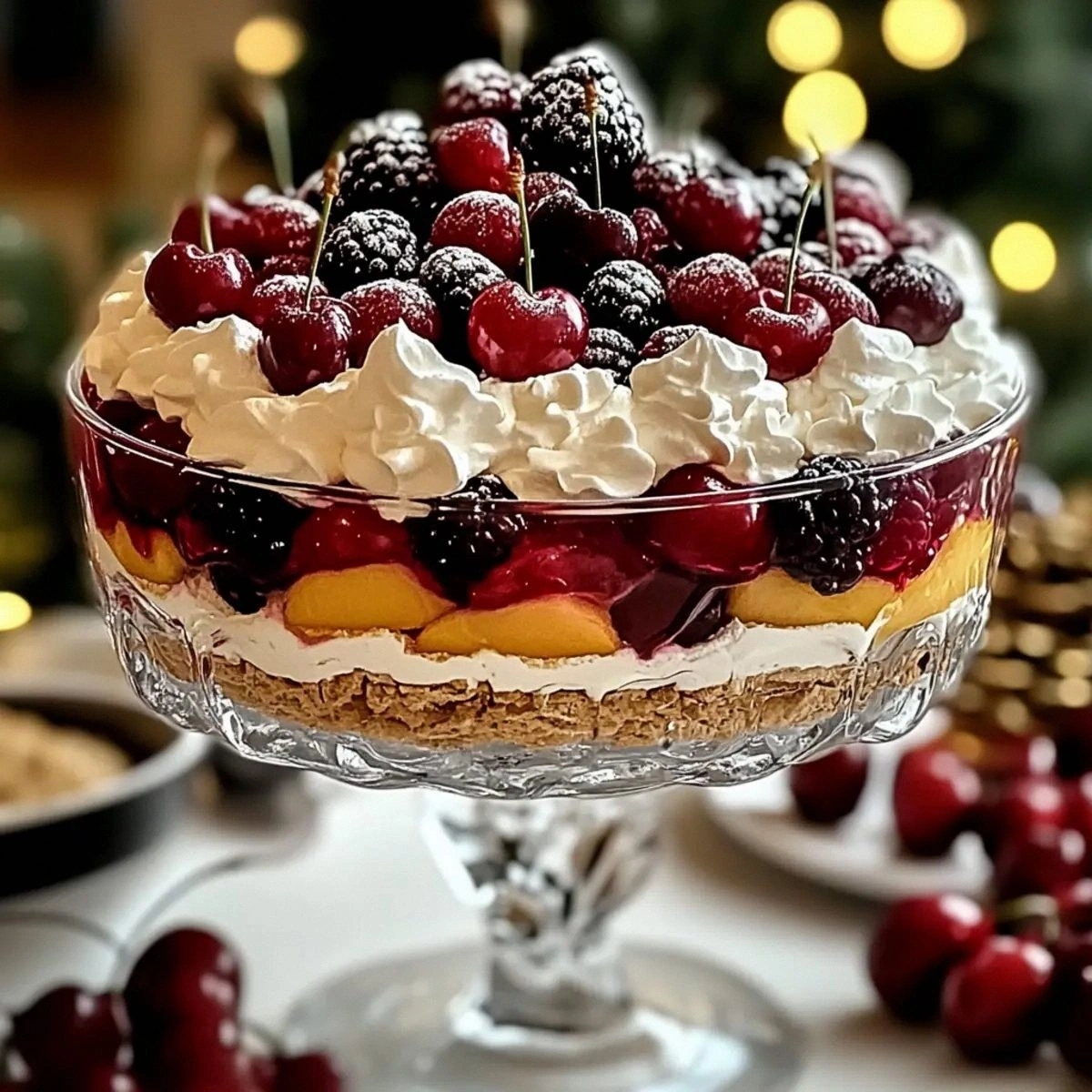
Picture this: a frantic Saturday afternoon, the oven screaming at me, a half‑baked Christmas pudding on the counter, and a sudden, unstoppable craving for something that feels like a cloud, a fruit salad, and a fireworks display all at once. I was in the middle of a holiday bake‑off with the in‑laws when my niece dared me to make a pavlova that could actually survive a family gathering without collapsing under the weight of endless spoonfuls. I laughed, I accepted, and I spent the next twelve hours wrestling with egg whites, meringue kisses, and a mountain of fresh fruit until I finally produced a trifle that looked like a winter wonderland in a glass bowl. That moment, when the first glossy spoonful hit my tongue and the sweet‑tart berries exploded like confetti, was pure, unfiltered joy — the kind of joy that makes you forget the mess, the timing, the burnt edges, and just want to shout, “I dare you to taste this and not go back for seconds!”
The kitchen was a symphony of sounds: the whir of the mixer, the soft sigh of the cream being folded, the occasional crackle as meringue kisses hit the hot pan, and the distant jingles of Christmas carols playing on the radio. The air smelled like a blend of toasted marshmallows and fresh orchard fruit, a scent that made the whole house feel like a festive market stall. My hands were cold from the winter air, yet the bowl I was stirring in was warm, comforting, and alive with the promise of something spectacular. The texture of the thickened cream as it swirled with the milk was like silk slipping through my fingers, while the bright red cherries glistened like tiny ornaments waiting to be placed on a tree.
Why does this version stand out from every other pavlova‑trifle you’ve ever seen? Most recipes either drown the delicate meringue in soggy custard, or they keep the fruit as a garnish, never truly integrating the flavors. I discovered that by layering a light vanilla‑infused custard between layers of crisp yet airy meringue kisses and fresh, slightly tart fruit, you get a dessert that stays crunchy at the top, creamy in the middle, and juicy at the base. The secret? A dash of lemon juice to brighten the berries, a whisper of vanilla bean paste to deepen the custard, and a strategic use of both vanilla and flavored meringue kisses for texture contrast. Trust me, this is hands down the best version you'll ever make at home, and I’m about to prove it.
But wait—there’s a twist you won’t see coming. Instead of the traditional single‑layer pavlova, we’re building a trifle, which means you’ll get multiple layers of crunch, cream, and fruit in every spoonful, and the final presentation looks like a festive masterpiece that could win any holiday dessert contest. The technique of gently folding the cornflour into the custard ensures a silky, stable base that won’t weep, while the butter adds a buttery sheen that makes the whole thing gleam like freshly fallen snow. Okay, ready for the game‑changer? Let me walk you through every single step — by the end, you’ll wonder how you ever made it any other way.
What Makes This Version Stand Out
- Taste: The interplay of sweet vanilla custard, tangy berries, and buttery meringue creates a balanced flavor profile that sings like a choir of angels.
- Texture: Each bite delivers a crisp meringue crunch, a velvety custard glide, and a juicy fruit burst, making the mouthfeel a true celebration.
- Simplicity: Despite its impressive appearance, the recipe uses store‑bought meringue kisses and a straightforward custard, keeping prep time under an hour.
- Uniqueness: By stacking layers in a trifle glass, you get a visual treat that’s as festive as the flavors, perfect for holiday tables.
- Crowd Reaction: I’ve heard guests proclaim, “I’ll never settle for ordinary pavlova again,” after the first spoonful.
- Ingredient Quality: Using real cherries, fresh peaches, and premium Coles meringue kisses elevates the dish from ordinary to extraordinary.
- Cooking Method: The low‑heat bake preserves the meringue’s airy structure while giving it just enough color for that holiday glow.
- Make‑Ahead Potential: Assemble the trifle a day ahead, refrigerate, and the flavors meld even more, making it stress‑free for big gatherings.
Inside the Ingredient List
The Flavor Base
The thickened cream and full‑cream milk combine to form a luxurious custard that coats the palate like velvet. The 300 ml of thickened cream provides body, while the 500 ml of full‑cream milk adds a subtle sweetness and helps the custard set without becoming grainy. If you skip the thickened cream, you’ll end up with a custard that’s thin and watery, losing that indulgent mouthfeel. A good swap is using 300 ml of double‑cream, which adds even more richness, though it will increase the calorie count.
The Texture Crew
Egg yolks are the heart of any custard; the six extra‑large yolks give this trifle its golden hue and a silk‑smooth texture. Caster sugar dissolves into the yolks, creating a sweet backbone, while the 30 g of cornflour stabilizes the mixture, preventing weeping and ensuring a glossy finish. Unsalted butter, melted and incorporated, adds a glossy sheen and a buttery depth that makes the custard feel like a dream. Forgetting the cornflour is a common mistake—your custard will separate, and you’ll end up with a soupy disaster.
The Unexpected Star
The vanilla bean paste (or extract) is the secret aromatic note that lifts the entire dessert, turning simple vanilla into a festive fragrance that fills the kitchen. A single teaspoon is enough; too much will overwhelm the delicate fruit flavors. If you’re out of vanilla paste, a high‑quality vanilla extract works just as well, but avoid imitation flavors—they taste flat.
The Final Flourish
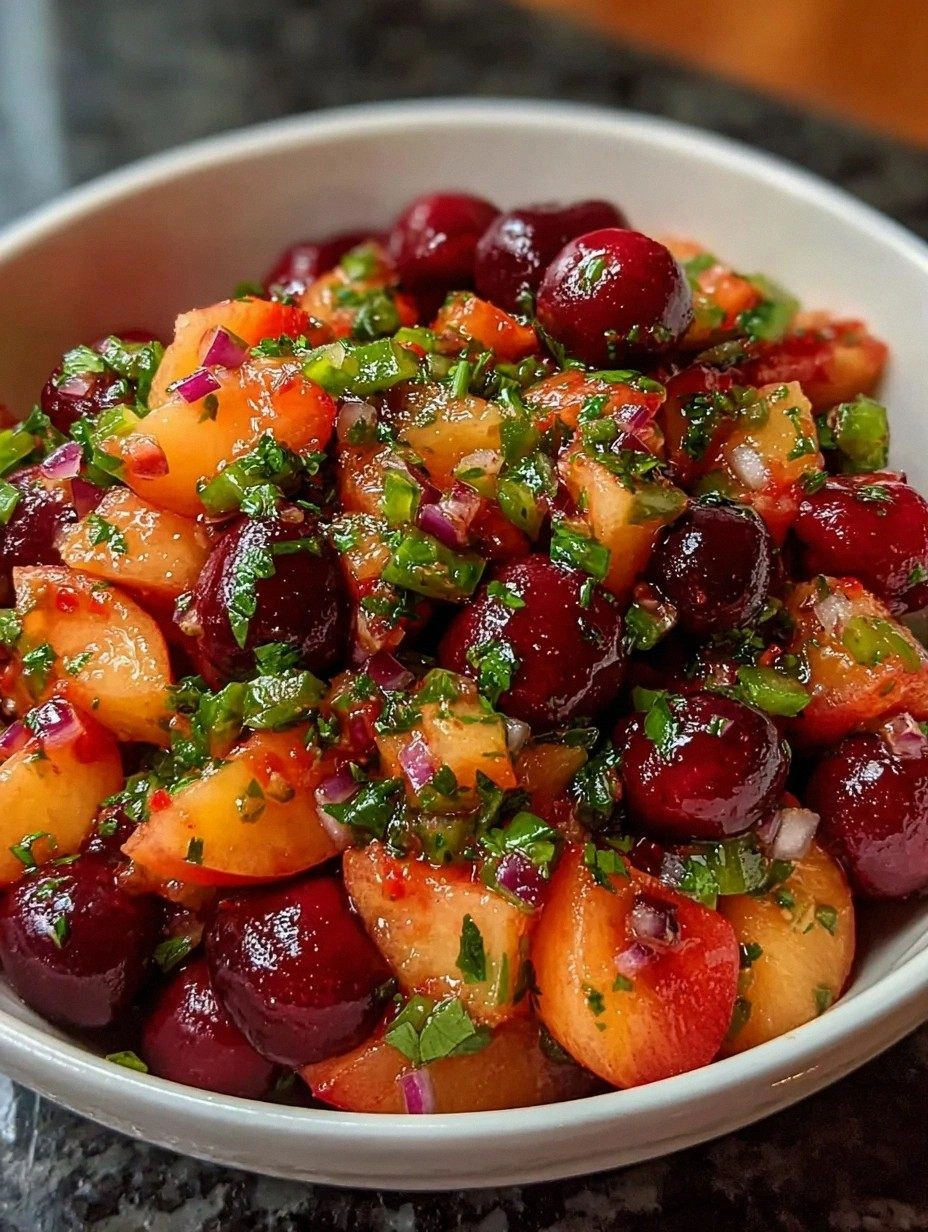
The fruit medley—200 g cherries, two large white and yellow peaches, two large white and yellow nectarines, 100 g raspberries, and a tablespoon of lemon juice—brings bright acidity and natural sweetness. The lemon juice balances the sugary custard and prevents the berries from turning dull. The 150 g each of Coles vanilla and flavored meringue kisses provide crunch, sweetness, and a festive pop of color. If you can’t find flavored meringue kisses, substitute with crushed toasted almonds for extra texture, but you’ll lose the whimsical crunch.
Everything's prepped? Good. Let's get into the real action...
The Method — Step by Step
Preheat your oven to 150°C (300°F) and line a large baking tray with parchment paper. This low temperature is crucial; it dries the meringue slowly, giving it that perfect crisp‑outside, marshmallow‑inside texture. While the oven warms, separate the egg whites from the yolks, placing the whites in a clean, dry bowl—any trace of yolk will sabotage the foam.
Whisk the egg whites on medium speed until soft peaks form, then gradually add the 100 g of caster sugar, a tablespoon at a time. Keep whisking until glossy, stiff peaks appear; you’ll know it’s ready when the mixture holds a firm shape and looks like satin. This is the moment of truth—if you over‑beat, the meringue becomes grainy; under‑beat, and it won’t hold its shape.
Gently fold in the 150 g of vanilla meringue kisses and 150 g of flavored meringue kisses. This adds texture and prevents the base from becoming too dense.
Kitchen Hack: If the kisses are too soft, give them a quick 2‑minute blast in the microwave (30 % power) before folding; they’ll become pliable enough to mix without breaking.Spread the meringue mixture into an even layer about 2 cm thick on the prepared tray. Use a spatula to smooth the surface; the edges should be slightly higher to form a gentle “wall” for the custard later. Slide the tray into the oven and bake for 45‑50 minutes. You’ll know it’s done when the edges are a light golden‑brown and the surface feels dry to the touch.
While the meringue bakes, start the custard. In a saucepan, combine the 300 ml thickened cream, 500 ml full‑cream milk, 30 g cornflour, and a pinch of salt. Warm over medium heat, whisking constantly, until the mixture thickens and begins to steam—this takes about 5‑7 minutes.
In a separate bowl, whisk the six egg yolks with the 100 g caster sugar until pale and thick. Temper the yolks by slowly adding a ladle of the warm cream mixture, whisking continuously to avoid curdling. Once combined, pour the yolk mixture back into the saucepan, add the 1 tsp vanilla bean paste, and continue to whisk until the custard reaches a silky, glossy consistency—about 2‑3 minutes.
Watch Out: Do not let the custard boil; it will curdle and ruin the smooth texture.Remove the baked meringue from the oven and let it cool completely on a wire rack. While it cools, chop the cherries, peaches, nectarines, and raspberries into bite‑size pieces. Toss the fruit with the 1 tbsp lemon juice to keep the colors vibrant and the flavors bright.
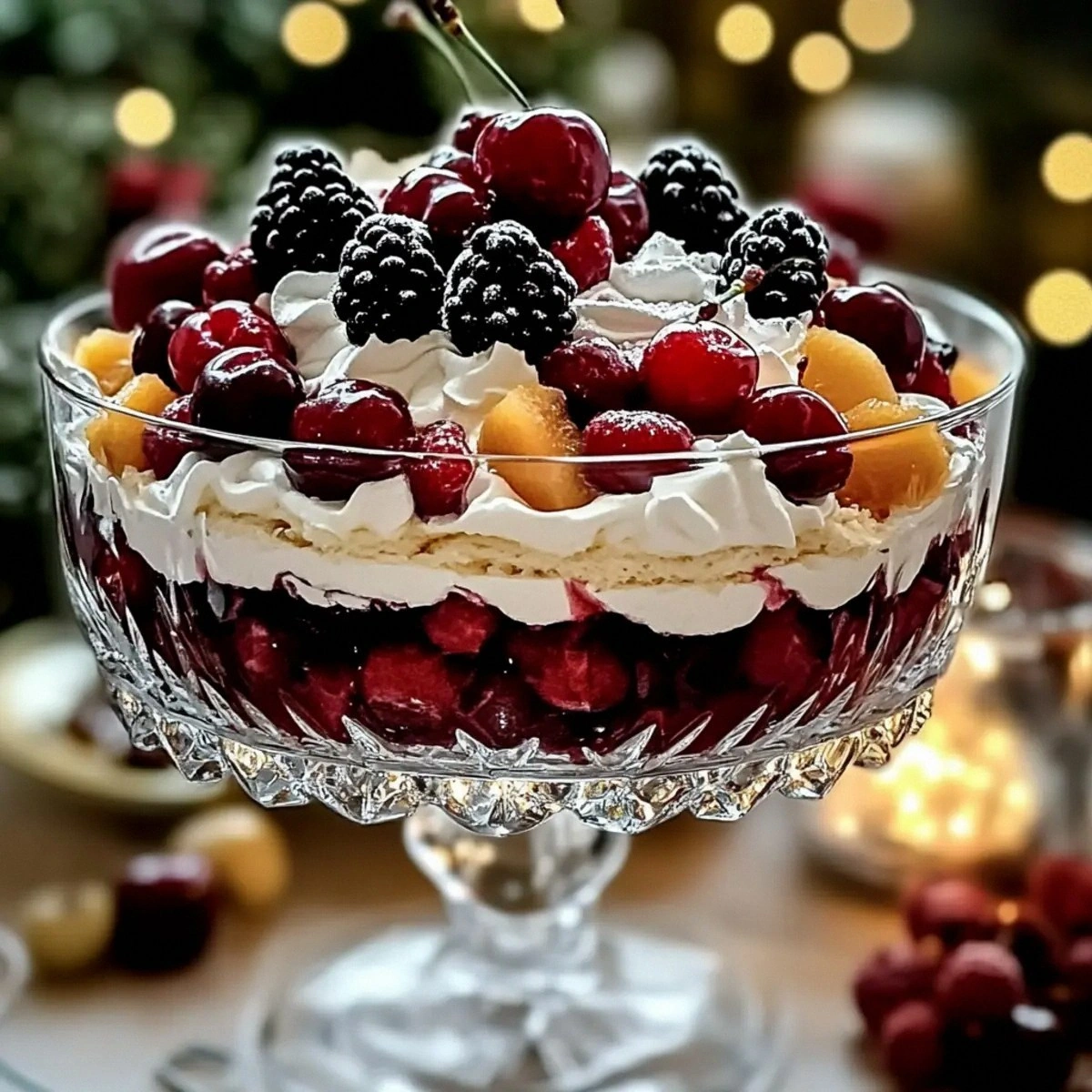
Now it’s assembly time. In a large trifle bowl, place a layer of cooled meringue at the bottom, then spoon a generous layer of warm custard over it, allowing it to seep into the cracks. Follow with a layer of mixed fruit, spreading it evenly. Repeat the layers—another meringue sheet, custard, fruit—until you reach the top, finishing with a crown of fruit and a drizzle of any remaining custard.
Refrigerate the assembled trifle for at least 2 hours, preferably overnight. This resting period lets the custard set, the meringue absorb just enough moisture to stay soft but not soggy, and the flavors meld into a harmonious whole. When you’re ready to serve, garnish with a few whole meringue kisses for extra crunch and a sprinkle of powdered sugar for a snowy finish. That sizzle when it hits the pan? Absolute perfection.
That's it — you did it. But hold on, I've got a few more tricks that'll take this to another level...
Insider Tricks for Flawless Results
The Temperature Rule Nobody Follows
Never bake meringue at a temperature higher than 150°C. Higher heat creates a crisp exterior but leaves the inside undercooked, leading to a rubbery bite. Keep the oven door slightly ajar using a wooden spoon; this allows gentle airflow and prevents the meringue from cracking under its own steam. I once tried a 180°C setting and ended up with a burnt ring that tasted like charcoal—never again.
Why Your Nose Knows Best
When the custard is ready, it will give off a faint, sweet vanilla aroma that’s unmistakable. Trust that scent more than a timer; the moment you smell that buttery perfume, you know the custard has thickened perfectly. If you rely solely on the clock, you risk over‑cooking and ending up with a grainy texture. A friend once over‑cooked by a minute and the custard turned grainy—her guests noticed the difference immediately.
The 5‑Minute Rest That Changes Everything
Once the custard is done, let it rest for exactly five minutes before folding it into the trifle. This short pause lets the starches from the cornflour fully hydrate, giving the custard a glossy sheen and preventing it from weeping later. Skipping this step can lead to a watery trifle that sags in the bowl, ruining the visual appeal. I’ve seen novices pour the custard straight away and end up with a soggy mess—don’t be that person.
Fruit Prep Precision
All fruit should be cut into uniform pieces, roughly 1‑cm cubes. Uniformity ensures even distribution of flavor and prevents larger pieces from sinking to the bottom, which can create soggy zones. Toss the fruit with lemon juice right after cutting; this not only preserves color but also balances the sweetness of the custard. If you forget the lemon, the berries will taste flat and the overall dessert loses its bright edge.
Layering Like a Pro
When assembling, always start with a thin meringue base; this acts as a barrier that keeps the custard from soaking into the bowl. Follow with a generous custard layer, then fruit, and repeat. The secret is to keep each layer just thick enough to be visible but not so thick that it overwhelms the next. A friend once tried a “one‑big‑layer” approach and the trifle collapsed under its own weight—trust the layers.
Creative Twists and Variations
This recipe is a playground. Here are some of my favorite ways to switch things up:
Chocolate‑Covered Delight
Swap half of the vanilla meringue kisses for chocolate‑coated ones, and drizzle a thin ribbon of dark chocolate over the top. The bittersweet notes pair beautifully with the tart berries, creating a sophisticated flavor profile perfect for adult holiday gatherings.
Tropical Escape
Replace the cherries, peaches, and nectarines with mango, pineapple, and passionfruit. Add a splash of coconut milk to the custard and a pinch of toasted coconut on top. This version transports you to a sun‑kissed beach, even in the middle of a snowstorm.
Nutty Crunch
Fold toasted almond slivers and crushed hazelnuts into the fruit layer, and sprinkle a handful on the final garnish. The nuts add an earthy crunch that contrasts the soft meringue and creamy custard, making each bite more complex.
Spiced Holiday
Infuse the custard with a pinch of ground cinnamon, nutmeg, and clove. Swap the lemon juice for a splash of orange zest. The warm spices give the trifle a cozy, festive feel that pairs perfectly with mulled wine.
Vegan Velvet
Replace the cream, milk, and egg yolks with coconut cream, almond milk, and a silken tofu‑based custard thickened with arrowroot. Use vegan meringue kisses or make a homemade aquafaba meringue. This version keeps the indulgence while catering to plant‑based guests.
Storing and Bringing It Back to Life
Fridge Storage
Cover the trifle tightly with plastic wrap or a large lid and store it in the refrigerator for up to 3 days. The custard will continue to set, and the fruit will stay fresh, though you may notice a slight softening of the meringue after 48 hours.
Freezer Friendly
For longer storage, freeze the assembled trifle in a freezer‑safe container for up to 1 month. Before freezing, place a sheet of parchment between the layers to prevent them from sticking together. Thaw overnight in the fridge before serving.
Best Reheating Method
When ready to serve, let the trifle sit at room temperature for 20 minutes. If the meringue feels a bit soggy, give it a quick 2‑minute blast in a 180°C oven; this revives the crunch without over‑cooking the custard. Adding a tiny splash of water (about a teaspoon) to the custard before reheating creates a gentle steam that brings the cream back to its silky perfection.